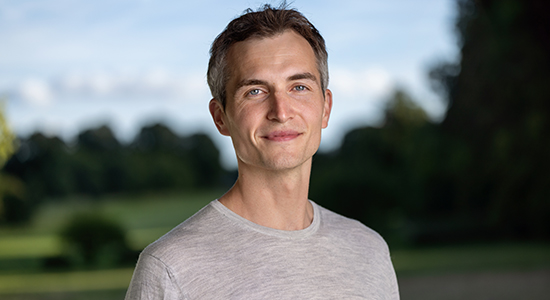
Fellow 2026-2028
BSc, PhD
Department of Neuroscience (IN)
Below you will find information about fellows from the 2026-2028 cohort, including their names, background, affiliations, project description, and mentor teams.
Decoding patient-derived α-synuclein strains for precision medicine in Parkinson disease and multiple system atrophy
Parkinson disease (PD) and multiple system atrophy (MSA) are progressive brain disorders with no treatments that can slow or stop their underlying causes. Both involve the build-up of a protein called α- synuclein (α-syn), yet they differ greatly in symptoms, form distinct strains that behave differently and damage specific brain cells. This project will investigate how such strains shape disease course and treatment response. Using donor brain tissue and human stem cell–derived neurons, we will define unique disease-specific α-syn features, study how they harm brain cells, and test their sensitivity to new therapies. This investigation directly links patient biology to treatment outcomes, and paves the way for precision medicine approaches that transform care and improve quality of life for people living with PD and MSA.
Mentors
Basic Mentor: Professor Ulrik Gether, Department of Neuroscience, UCPH
Clinical Mentor: Susana Aznar, Head of Research, Center for Neuroscience and Steroology, Bispebjerg and Frederiksberg Hospital
Supplementary basic mentor: Associate Professor Agnete Kirkeby, Novo Nordisk Foundation Center for Stem Cell Research, UCPH
RESILIENCE: Modulating tumor-infiltrating lymphocyte RESILIENCE to enhance melanoma control
RESILIENCE aims to improve outcomes of a personalized cancer treatment called TIL therapy, where immune cells are recovered from a patient’s tumor, expanded, and given back to fight the cancer. In melanoma, TIL therapy can lead to cure in some patients, but many do not benefit, or the effect does not last. We believe this is partly because only certain resilient, tumor-fighting T cells survive and remain active in the body after treatment. We will study patient samples collected before and after TIL therapy to identify the features of the cells that persist in long-term responders. Using cutting-edge technologies, we will track these cells over time and discover how to identify the resilient cells that mediate cures. We will then test whether we can improve TIL products by modifying genes to make all cells resilient. The goal is to develop better TIL therapies that can cure more patients.
Mentors
Basic Mentor: Professor Jan Gorodkin, Department of Public Health, UCPH
Clinical Mentor: Clinical Professor Marco Donia, Department of Oncology, National Center for Cancer Immune Therapy, Herlev and Gentofte Hospital
Industry Mentor: Eric Paul Bennett, Principal Scientist, Novo Nordisk
Supplementary basic mentor: Associate Professor Stefan Seeman, Department of Public Health, UCPH
Acute biological age as a framework for risk assessment in emergency care
When older patients with similar health conditions and symptoms arrive at the emergency department, they can follow very different paths; some recover quickly without admission, while others become seriously ill. These differences may be explained by biological age (BA). Current risk tools rely on presentation, blood pressure, heart rate, and temperature, and sometimes blood tests, but they often miss important information about a patient’s overall health. BA reflects our overall body functions in contrast to our calendar age. This project examines Acute Biological Age (ABA), a new validated BA measure that estimates how well we cope specifically during acute illness. The project will study why ABA varies between older patients by examining the role of medications, health conditions, and social factors. It will also explore biological markers in the blood to better understand processes influencing capacity and recovery. Understanding variation in ABA may support safer decisions.
Mentors
Basic Mentor: Professor Søren Brunak, Department of Public Health, UCPH
Clinical Mentor: Clinical Professor Ove Andersen, Department of Clinical Research, Amager and Hvidovre Hospital
Perioperative layered autologous tissue expansion for functional urethral reconstruction
Urethral disorders are difficult to treat by surgery. Current methods may not fully restore function and cany high risks, often requiring repeat operations. These challenges can severely affect urinary and sexual health. This project develops a new strategy called PLATE, where small fragments of a patient's own tissue are embedded into a supportive gel during a single operation. Natural healing processes allow the urethra to regenerate from within. Unlike conventional tissue engineering, this approach avoids laboratory cell culture and limits donor-site damage. The research will optimize this technique in the laboratory and test it in an animal model to confirm restoration of urine flow and tissue integration. If successful, PLATE could provide a single-stage, low-cost, patientspecific solution for urethral reconstrnction that could be implemented in standard operating rooms worldwide. The same approach may later be adapted for other organs, broadening its impact in medicine.
Mentors
Basic Mentor: Associate Professor Mariaceleste Aragona, Novo Nordisk Foundation Center for Stem Cell Medicine, UCPH
Clinical Mentor: Clinical Professor Magdalena Fossum, Center for Center and Organ Diseases, Rigshospitalet
Supplementary basic mentor: Associate Professor Johan Ulrik Lund, Department of Health Technology, DTU
Synthesis of proteomic, biomechanics and clinical imaging data to improve stratification and risk prediction in patients with aortic aneurysms
An aortic aneurysm occurs when the wall of the body’s main artery become weakened, resulting in an outward bulge. This can rupture, resulting in massive bleeding or a complete stoppage in blood flow. This can be life-threatening and has a high death rate. Currently, the risk of rupture is assessed by how large the bulge is by using ultrasound imaging, but this method is not precise and results in a significant rate of misdiagnosis and therefore a lack of life saving treatment. Why and how the artery wall weakens is not fully understood. In this project, we will use advanced spectroscopic methods to analyse abdominal aortic aneurysm tissue and blood samples from patients to characterise the mechanisms that occur in the weakened arterial wall and its biomechanical consequences. These molecular changes will be correlated with novel blood-based biomarkers, ultrasound imaging and patient outcomes. These data will result in improved monitoring of patients, and a more personalised approach to treatment.
Mentors
Basic Mentor: Professor Michael Davies, Department of Biomedical Sciences, UCPH
Clinical Mentor: Clinical Professor Timothy Resch, Department of Vascular Surgery, Rigshospitalet
Mapping antipsychotic mechanisms: insights from a patient-derived hyperdopaminergic model
Antipsychotic drug response varies widely, and severe side effects can impair adherence and quality of life. This variability can be influenced by genetic factors. Since the DA system is central to antipsychotic pharmacology, understanding variability within it may reveal mechanisms underlying drug efficacy and side effect risk. Preclinical models enable mechanistic study but have historically been difficult to translate clinically. This project bridges that gap through collaboration with clinicians who identified a patient with a rare DAT variant and debilitating side effects. This mechanistic-clinical link enables us to test how genetic DA dysfunction shapes antipsychotic response. By modeling this variant in mice and using state-of-the-art tools, we will map its effects across behavioral sensitivity, real-time DA signaling and wholebrain activity. This insight will deepen our understanding of the DA system and improve personalized treatment strategies for better patient outcomes.
Mentors
Basic Mentor: Associate Professor Freja Herborg, Department of Neuroscience, UCPH
Industry mentor: Thomas Topilko, Chief Scientific Officer, Vibraint ApS – Virtual Brain Technologies
Novel hepatic insulin sensitising properties of high-density lipoproteins
Type 2 diabetes is driven by insulin resistance, a condition where the body’s cells respond poorly to insulin, causing high blood sugar. High-density lipoproteins (HDL) are particles in the blood made of fats and proteins. Recent studies show that HDL can improve how muscles and fat tissue respond to insulin, but it is still unknown whether HDL has similar effects in the liver, an organ that plays a central role in controlling blood sugar levels. This project will test whether HDL can improve liver metabolism. We will study blood samples from people with insulin resistance, healthy individuals who develop insulin resistance after a high calorie diet, and patients whose insulin resistance improve after weight loss surgery. Laboratory experiments will examine how HDL from these groups affects liver cells. By combining patient studies with lab analyses, this research aims to uncover a new role for HDL in controlling blood sugar and may suggest new ways to prevent or treat type 2 diabetes.
Mentors
Basic mentor: Associate Professor Andreas Mæchel Fritzen, Department of Biomedical Sciences, UCPH
Clinical mentor: Lise Lotte Gluud, Clinical Professor, Gatro Unit, Amager and Hvidovre Hospital
Supplementary clinical mentor: Kristine Nyvold Bojsen-Møller, Department of Endocrinology, Amager and Hvidovre Hospital
Industry mentor: Kristina Hellberg, Senior Research Scientist, Novo Nordisk
REACT-WEAR – Digital phenotyping for early detection and treatment of atherosclerosis
Heart disease is the leading cause of death worldwide, but it develops silently over decades before causing symptoms. Wearable devices like smartwatches continuously measure steps, heart rate, and sleep – yet these data are still rarely used in medical research and in a regulatory approval context. This project will build and test a system for collecting wearable data from thousands of participants in the REACT study, which uses advanced imaging to detect the earliest signs of atherosclerotic disease. We will compare different data collection methods, develop new health indicators from the continuous measurements, and test whether wearable monitoring can reliably track treatment effects in a large clinical trial. By establishing scientific standards for using everyday devices in cardiovascular research, the project aims to enable earlier detection and better prevention of heart disease.
Mentors
Basic mentor: Professor Simon Rasmussen, Novo Nordisk Foundation Center for Basic Metabolic Research, UCPH
Clinical mentor: Clinical Professor Henning Bundgaard, Department of Cardiology, Rigshospitalet
Supplementary basic mentor: Associate Professor Nicolai Spicher, Department of Health Technology, DTU
Metabolic triggers and consequences of early puberty
Children today are entering puberty at younger ages, which could be linked to the growing rate of childhood obesity. Early puberty is linked to later health problems such as obesity, diabetes, and heart disease. However, the biological links between body weight, metabolism, and pubertal development are not fully understood. This project aims to uncover how metabolic health early in life influences the timing of puberty and consist of three aims: 1) We will study children referred to the hospital for early puberty, to identify early biological signals that may predict early puberty and obesity. 2) We will evaluate long-term data from children followed over time, examining how growth, body composition, and metabolism develop from infancy into puberty. 3) We will finally study children receiving treatment for too early-onset puberty to understand how this affects their metabolism. Our findings may help improve early identification, prevention, and treatment of early puberty and childhood obesity, ultimately supporting better long-term health for affected children.
Mentors
Basic mentor: Professor Ruth Loos, Novo Nordisk Foundation Center for Basic Metabolic Research, UCPH
Clinical mentor: Clinical Associate Professor Rikke Beck Jensen, Department of Pediatrics and Adolescent Medicine, Herlev and Gentofte Hospital
Supplementary clinical mentor: Clinical Associate Professor Asger Bach Lund, Center for Clinical Metabolic Research and Steno Diabetes Center, Herlev and Gentofte Hospital
Decoding multi-omics signatures in early-onset severe obesity for enhanced diagnostic precision
Obesity affects millions of children worldwide and can lead to serious health problems. While lifestyle factors matter, genetics plays a key role, especially when obesity is developed very early in life. Currently, genetic testing identifies the cause in only a small number of cases, leaving families without answers or treatments. We aim to improve diagnosis by not only relying on genetics but also integrate protein levels in blood, and body measurements to create a diagnostic tool that calculates the likelihood of genetic obesity. Our goal is to find patterns where children with genetic causes of obesity show distinct protein signatures and physical characteristics compared to those without genetic causes. This research will help more families get accurate diagnoses, guide personalized treatments, and identify blood markers that could track disease and serve as new drug targets. Our approach could also benefit research into related conditions like diabetes and heart disease.
Mentors
Basic mentor: Professor Torben Hansen, Novo Nordisk Foundation for Basic Metabolic Research, UCPH
Clinical mentor: Clinical Professor Jens-Christian Holm, Department of Pediatrics, Holbæk Hospital
Supplementary basic mentor: Professor Anders Albrechtsen, Department of Biology, UCPH
Industry mentor: Birgitte Andersen, Scientific Director, Novo Nordisk
T-cell determinants of immune checkpoint inhibitor-induced colitis
Immune checkpoint inhibitors are powerful cancer treatments that help the immune system attack tumors. While they have greatly improved survival for many patients, they can also cause serious side effects. One of the most severe is inflammation of the colon (colitis), which can be painful and sometimes life-threatening. This condition is thought to happen when immune cells called T cells mistakenly attack the body’s own tissues or harmless bacteria in the gut. However, we still do not know exactly what these T cells are targeting. Our goal is to identify the specific targets that trigger this harmful immune response. We will study blood and tissue samples from cancer patients who develop colitis, using advanced single-cell technologies to track individual T cells and their receptors. We will then experimentally derive and validate a molecular fingerprint for each T-cell receptor, which can be used for future drug developments to prevent colitis in a more targeted manner.
Mentors
Basic mentor: Professor Simon Rasmussen, Novo Nordisk Foundation Center for Basic Metabolic Research, UCPH
Clinical mentor: Clinical Professor Jakob Bendict Seidelin, Department of Gastroenterology and Hepatology, Herlev and Gentofte Hospital
Supplementary basic mentor: Associate Professor, Õzcan Met, Department of Health Technology, DTU
Supplementary basic mentor: Assistant Professor Amalie Kai Bentzen, Department of Immunology and Microbiology, UCPH
Obesity, hyperlipidemia, and atherosclerotic cardiovascular disease: Benefits of lipid- and triglyceride-lowering drug targets according to body-mass index
People with obesity face a higher risk of developing heart disease. One reason is that they often have increased cholesterol in their blood, which can lead to fatty buildup in blood vessels. Current medications mostly work mostly by lowering a type of cholesterol known as low-density lipoprotein (LDL). However, people with obesity often have high levels of other fat-carrying particles in their blood that are not targeted as effectively by these drugs. New treatments are being developed to target these other particles. Our aim is to determine if cholesterol-lowering medications work differently to reduce risk of heart diseases depending on a person’s body weight. This project could help inform future clinical guidelines and ensure that individuals with overweight or obesity receive treatments tailored to their specific health risks, supporting longer and healthier lives. It may also contribute to the discovery of new therapies.
Mentors
Basic mentor: Professor Ruth Loos, Novo Nordisk Foundation Center for Basic Metabolic Research, UCPH
Clinical mentor: Clinical Professor Børge Nordestgaard, Department of Clinical Biochemistry, Herlev and Gentofte Hospital
Supplementary clinical mentor: Clinical Professor Shoaib Afzal, Department of Biochemistry, Herlev and Gentofte Hospital
Industry mentor: Anne Langsted, Director, Novo Nordisk
A machine learning approach to uncover the gut virome dark matter in childhood asthma
Childhood asthma is the most common chronic childhood disease affecting millions of children worldwide. It is becoming increasingly apparent that gut bacteria play an important role in asthma and other areas of human health, however, most microbiome research is lacking information on viruses, due to the complex, time-consuming and expensive process to isolate and characterize them in the lab. We have previously demonstrated that gut viruses can influence the risk of developing childhood asthma independently of bacteria. With our unique dataset from the COPSAC2010 birth cohort I aim to develop a computational method to characterize the technically challenging and historically underexplored viruses in publicly available microbiome data. Equipped with this method, I will explore the asthma-virome relationship in several global birth cohorts, to ultimately pave the way for prevention of childhood asthma.
Mentors
Basic mentor: Professor Anders Krogh, Department of Public Health, UCPH
Clinical mentor: Clinical Associate Professor Jonathan Thorsen, Department of Pediatrics and Adolescent Medicine, Herlev and Gentofte Hospital
Targeting CaMKII isoforms to disrupt neuron- glioma interactions in pediatric diffuse midline gliomas
Diffuse midline gliomas are aggressive brain tumors that primarily affect children, with no available cure and a median survival of less than one year. Recent research has revealed that these tumors grow by forming connections with healthy neurons, hijacking normal brain signaling to fuel their own expansion. CaMKII, a key protein in brain communication, plays a central role in this process. However, CaMKII exists in four different forms, and blocking all of them would damage healthy brain function. This project will identify which specific forms of CaMKII drive tumor growth and test a library of targeted compounds designed to selectively block the harmful forms, with the intent to preserve normal brain activity. By combining expertise in drug design from the University of Copenhagen and pediatric oncology from Rigshospitalet, this work aims to identify safe and effective compounds that could become future treatments for children with these devastating tumors.
Mentors
Basic mentor: Professor Bente Frølund, Department of Drug Design and Pharmacology, UCPH
Clinical mentor: Clinical Associate Professor Rene Mathiasen, Department of Pediatrics and Adolescent Medicine, Rigshospitalet